Last updated: · By Raghavendra Hebbur
Vastu for Dining Room: Nourishing Family Energy
How to align your dining table direction and layout to support health, digestion, and family harmony.
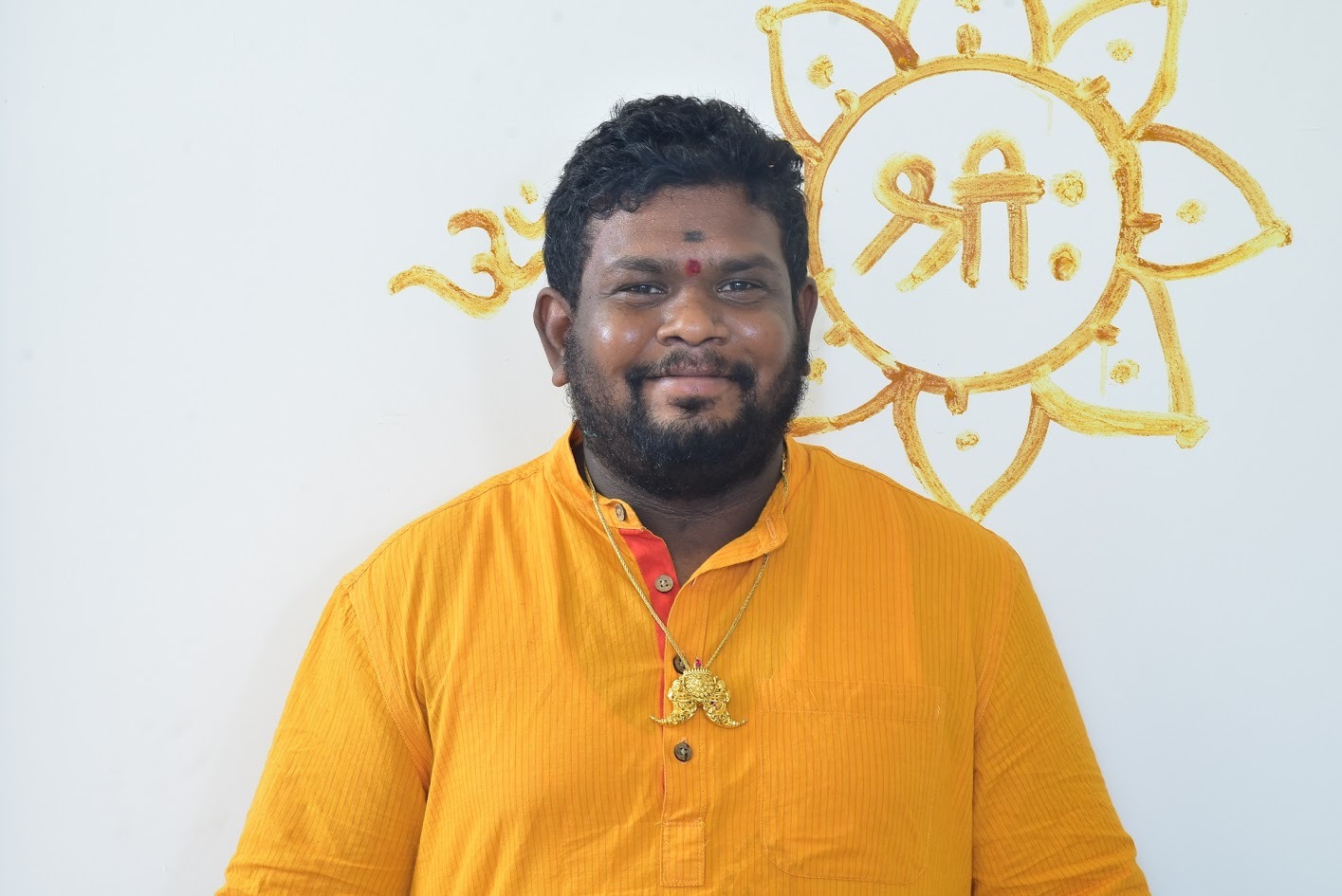
Verified by Raghavendra Hebbur
Certified Geo Master & Leading Scientific Vastu Consultant
Helping families balance dining spaces using environmental design and non-demolition element correctors.
The Science of Digestion and Dining Alignment
Eating is more than just consuming calories; it is the primary way our body receives energy. In Vastu Shastra, the direction we face while eating affects our nervous system. Facing East or North while dining activates the parasympathetic nervous system, which supports healthy digestion and nutrient absorption.
The dining table itself should be placed in the West or South-East zone of the house, keeping the center (Brahmasthan) of the dining area light and open. We analyze dining room layouts using aura scanners and apply color bands and metal correctors to support health without structural demolition.
Dining Area Placement Guidelines
| Eating Direction | Vastu Zone | Health Outcome | Vastu Recommendation |
|---|---|---|---|
| Facing East | East (Solar input) | Better digestion, high energy | Ideal for daily family meals; keep dining table clear. |
| Facing North | North (Magnetic flow) | Mental focus, healthy appetite | Excellent for students and working professionals. |
| Facing West | West (Gain zone) | Comfort, satisfaction | Supports a relaxed, social dining experience. |
| Facing South | South (Avoid) | Restlessness, poor digestion | Avoid if possible, or use yellow placemats to balance. |
Common Dining Area Vastu Defects
Dining Table Opposite Main Entrance
Symptom: Restlessness during meals and a lack of privacy, caused by drafts entering from the main door.
Dining Room next to Toilet
Symptom: Stagnant energy and health issues, caused by toilet exhaust fields near food areas.
Circular Dining Tables
Symptom: Lack of stability and arguments during family dinners, caused by irregular geometric shapes.
Clutter in Dining Room Center
Symptom: Lack of energy and poor appetite among family members.
100% Non-Demolition Energy Balancing
We neutralize spatial imbalances through scientific energy redirection, avoiding structural changes entirely:
Wooden Divider Screens
Using wooden screens to separate the dining area from nearby toilets or entrances.
Yellow and Cream Decor
Applying warm earth tones (yellow, cream) to dining table linens to support digestion.
Metal Energy Correctors
Installing thin copper strips under the dining rug to balance element conflicts.
Frequently Asked Questions
Facing East or North while eating is ideal. These directions align with natural solar and magnetic lines, supporting healthy digestion.
Yes. A dining table can be placed in the kitchen, ideally in the West or South-East sector of the space, ensuring it is kept clean and clutter-free.
We rearrange seating, use partition screens, and apply element tapes to balance the dining space without structural work.
Yes, scientific Vastu focuses on energy balancing and element alignment. By using specific metals (like brass, copper, lead), colors, and geopathic stress resonators, we can neutralize defects and balance energy vectors without breaking walls or structural demolition.
Most clients observe positive shifts in spatial energy and physical wellbeing within 21 to 90 days after implementing the recommended remedies. This timeline allows the corrected energy patterns to stabilize and integrate with the occupants’ biofields.
Digestive Issues or Lack of Harmony During Family Meals?
Improve digestion and family bonding by optimizing your dining room layout with scientific Vastu solutions.
Academic & Historical References
For deeper scientific and historical context on Vastu Shastra principles, physical energy fields, and architecture, explore the Vastu Shastra scientific overview on Wikipedia and historical building codes outlined in the Samarangana Sutradhara on Wikipedia.
VIDS™ Assessment: Dining Room
Raghavendra Hebbur of Vardhini Vastu applies the VIDS™ (Vardhini Integrated Directional System) 16-zone directional methodology to every consultation, including assessments related to dining room. The VIDS™ system identifies the exact zone (1 of 16 primary zones, further divided into 64 sub-zones called padas) in which each element of your property falls, and prescribes corrections specific to that sub-zone’s elemental signature and governing deity. This degree-accurate approach produces specific, targeted corrections rather than generic Vastu advice.
The methodology is grounded in classical Sanskrit texts including the Aparajitaprṣchā — a 12th-century treatise on architecture that Raghavendra Hebbur is currently translating — and incorporates Lecher antenna geopathic stress assessment for on-site consultations. All corrections are zero-demolition: no walls are broken, no structural changes are made. Results are typically observable within 21–180 days of consistent implementation.
Book your consultation: WhatsApp / Call +91 9739105574 | Online Vastu Consultation | About VIDS™
Frequently Asked Questions — Dining Room
What does a Vastu consultation for dining room involve?
A VIDS™ Vastu assessment for dining room involves a detailed directional survey of the property using a 16-zone framework (8 padas per direction). Raghavendra Hebbur analyses the floor plan, identifies which zones are active for specific functions (entrance, cash counter, owner position, storage, utilities), and produces a prescription of specific zero-demolition corrections for any defects found. The assessment covers both the macro (plot orientation) and micro (room placement, furniture, light) levels.
Are Vastu corrections for dining room expensive?
No. Because Vardhini Vastu prescribes only zero-demolition corrections — strategic placements of objects, elemental adjustments, and spatial reorganisation — the cost of implementing corrections is minimal. Most corrections can be completed in a single weekend without professional labour. The consultation fee covers the assessment, annotated report, and one follow-up session to confirm implementation.
Can Vastu be applied if the property is already occupied or operational?
Yes. The majority of Vardhini Vastu consultations are for properties that are already occupied, operational, or even recently renovated. The zero-demolition approach means corrections can be made at any stage without disrupting the residents or business operations. A follow-up assessment 90 days after implementation is included to verify that the corrections have been properly executed.