Last updated: · By Raghavendra Hebbur
Vastu for Interior Design: Harmonizing Home Decor
How to align furniture layout, select supportive colors, and place decorative items to create a healthy, balanced living space.
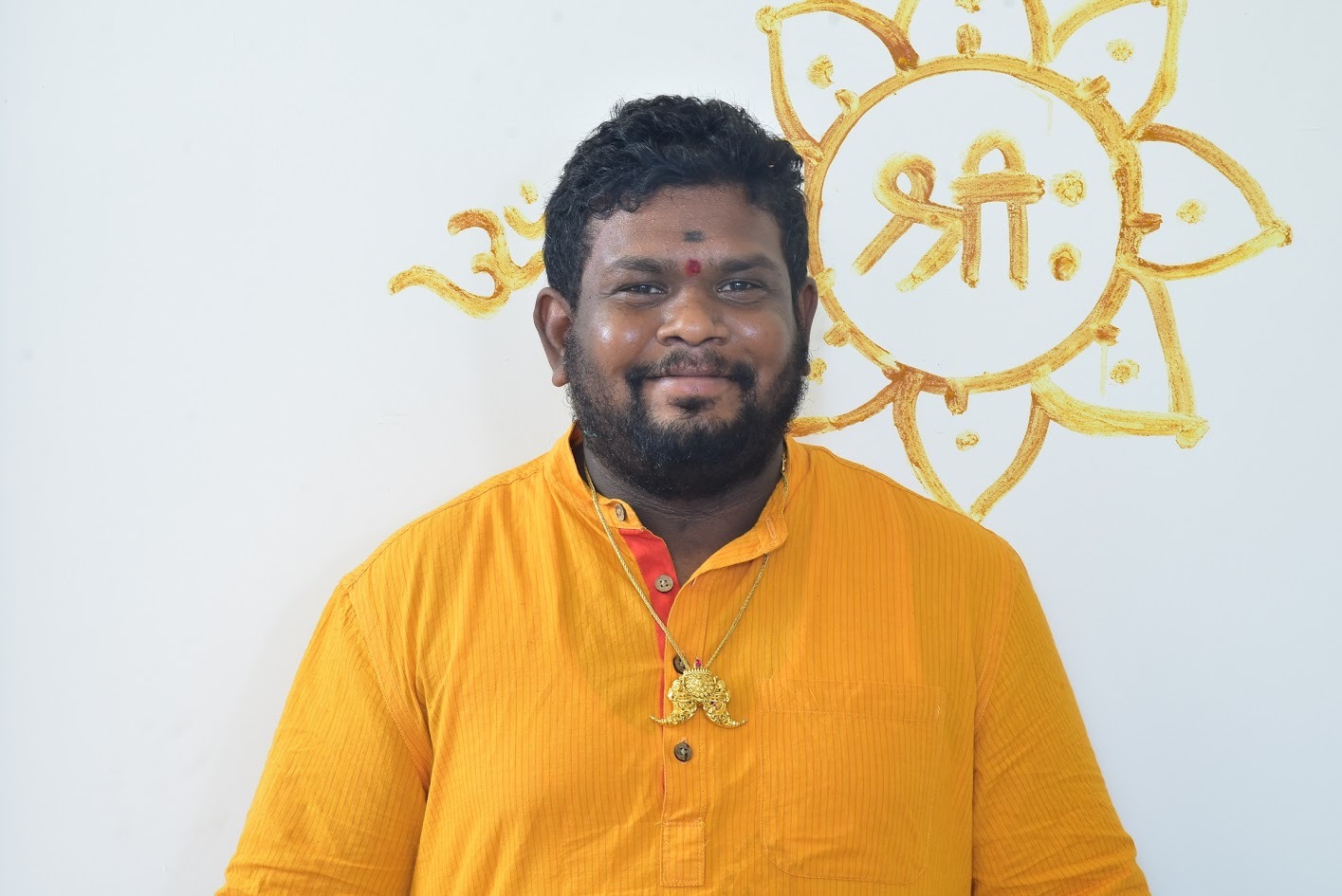
Verified by Raghavendra Hebbur
Certified Geo Master & Leading Scientific Vastu Consultant
Helping homeowners and designers balance interior spaces using color psychology, ergonomics, and non-demolition Vastu remedies.
The Science of Color Psychology and Ergonomics
Interior design manages how we interact with our living space. From a scientific perspective, color wavelengths affect our mood and nervous system, while furniture layouts influence room circulation and comfort. In Vastu Shastra, placing furniture and colors in their respective zones supports elemental balance and peace.
For example, using warm fire tones (red, orange) in the Southeast kitchen supports energy, while using calm water tones (blue, white) in the Northeast living area supports clarity. We analyze interiors using aura scanners, placing sofas, beds, and wardrobes to align with natural energy flows without structural demolition.
Interior Design Guidelines
| Decorative Element | Ideal Zone | Elemental Focus | Vastu Recommendation |
|---|---|---|---|
| Master Bed | Southwest (Earth zone) | Stability, healthy sleep | Place headboard facing South or East; avoid mirrors opposite bed. |
| Living Room Sofa | South and West walls | Stable and comfortable seating | Arrange seating so hosts face North or East during conversations. |
| Curtains & Linens | Varies by direction | Light filtering, temperature control | Use thick, dark curtains in SW; light, airy curtains in NE. |
| Wall Colors | Elemental zones | Color wavelength balance | Use warm tones in South/East; cool tones in North/West. |
Common Interior Design Vastu Defects
Master Bed Aligned with Door
Symptom: Restless sleep and exhaustion, caused by the headboard being aligned with the bedroom door.
Dark Wall Colors in Northeast
Symptom: Mental strain and fatigue, caused by dark grey or black wall colors in the Northeast zone.
Heavy TV Unit in Northeast Corner
Symptom: Blocked opportunities and delayed payments, caused by heavy furniture in the Northeast.
Mirror Reflecting the Bed
Symptom: Relationship tension and waking up tired, caused by mirrors reflecting the bed area.
100% Non-Demolition Energy Balancing
We neutralize spatial imbalances through scientific energy redirection, avoiding structural changes entirely:
Bed Realignment Filters
Adjusting the bed position slightly away from door lines to improve sleep comfort.
Mirror Cover Shields
Using curtains or covers on wardrobes and vanity mirrors when not in use.
Elemental Accent Colors
Using colored pillows, rugs, and artwork to balance zone colors without repainting walls.
Frequently Asked Questions
The bed should be placed in the Southwest corner of the room, positioned so that your head points South or East while sleeping to support deep rest.
We recommend light, calm colors like cream, beige, or soft blue for the living room. Avoid dark grey, black, or bright red on main walls.
We rearrange existing furniture to South and West walls and use element tapes to balance zones without replacing furniture.
Yes, scientific Vastu focuses on energy balancing and element alignment. By using specific metals (like brass, copper, lead), colors, and geopathic stress resonators, we can neutralize defects and balance energy vectors without breaking walls or structural demolition.
Most clients observe positive shifts in spatial energy and physical wellbeing within 21 to 90 days after implementing the recommended remedies. This timeline allows the corrected energy patterns to stabilize and integrate with the occupants’ biofields.
Is Your Home Decor Causing Restlessness or Sleep Issues?
Optimize your home’s interior design, furniture layout, and colors with a professional Vastu audit.
Academic & Historical References
For deeper scientific and historical context on Vastu Shastra principles, physical energy fields, and architecture, explore the Vastu Shastra scientific overview on Wikipedia and historical building codes outlined in the Samarangana Sutradhara on Wikipedia.
VIDS™ Assessment: Interior Design
Raghavendra Hebbur of Vardhini Vastu applies the VIDS™ (Vardhini Integrated Directional System) 16-zone directional methodology to every consultation, including assessments related to interior design. The VIDS™ system identifies the exact zone (1 of 16 primary zones, further divided into 64 sub-zones called padas) in which each element of your property falls, and prescribes corrections specific to that sub-zone’s elemental signature and governing deity. This degree-accurate approach produces specific, targeted corrections rather than generic Vastu advice.
The methodology is grounded in classical Sanskrit texts including the Aparajitaprṣchā — a 12th-century treatise on architecture that Raghavendra Hebbur is currently translating — and incorporates Lecher antenna geopathic stress assessment for on-site consultations. All corrections are zero-demolition: no walls are broken, no structural changes are made. Results are typically observable within 21–180 days of consistent implementation.
Book your consultation: WhatsApp / Call +91 9739105574 | Online Vastu Consultation | About VIDS™
Frequently Asked Questions — Interior Design
What does a Vastu consultation for interior design involve?
A VIDS™ Vastu assessment for interior design involves a detailed directional survey of the property using a 16-zone framework (8 padas per direction). Raghavendra Hebbur analyses the floor plan, identifies which zones are active for specific functions (entrance, cash counter, owner position, storage, utilities), and produces a prescription of specific zero-demolition corrections for any defects found. The assessment covers both the macro (plot orientation) and micro (room placement, furniture, light) levels.
Are Vastu corrections for interior design expensive?
No. Because Vardhini Vastu prescribes only zero-demolition corrections — strategic placements of objects, elemental adjustments, and spatial reorganisation — the cost of implementing corrections is minimal. Most corrections can be completed in a single weekend without professional labour. The consultation fee covers the assessment, annotated report, and one follow-up session to confirm implementation.
Can Vastu be applied if the property is already occupied or operational?
Yes. The majority of Vardhini Vastu consultations are for properties that are already occupied, operational, or even recently renovated. The zero-demolition approach means corrections can be made at any stage without disrupting the residents or business operations. A follow-up assessment 90 days after implementation is included to verify that the corrections have been properly executed.