Last updated: · By Raghavendra Hebbur
Vastu for Libraries: Knowledge Density & Concentration
Improve reader concentration and protect rare books from decay by aligning book shelving and study tables.
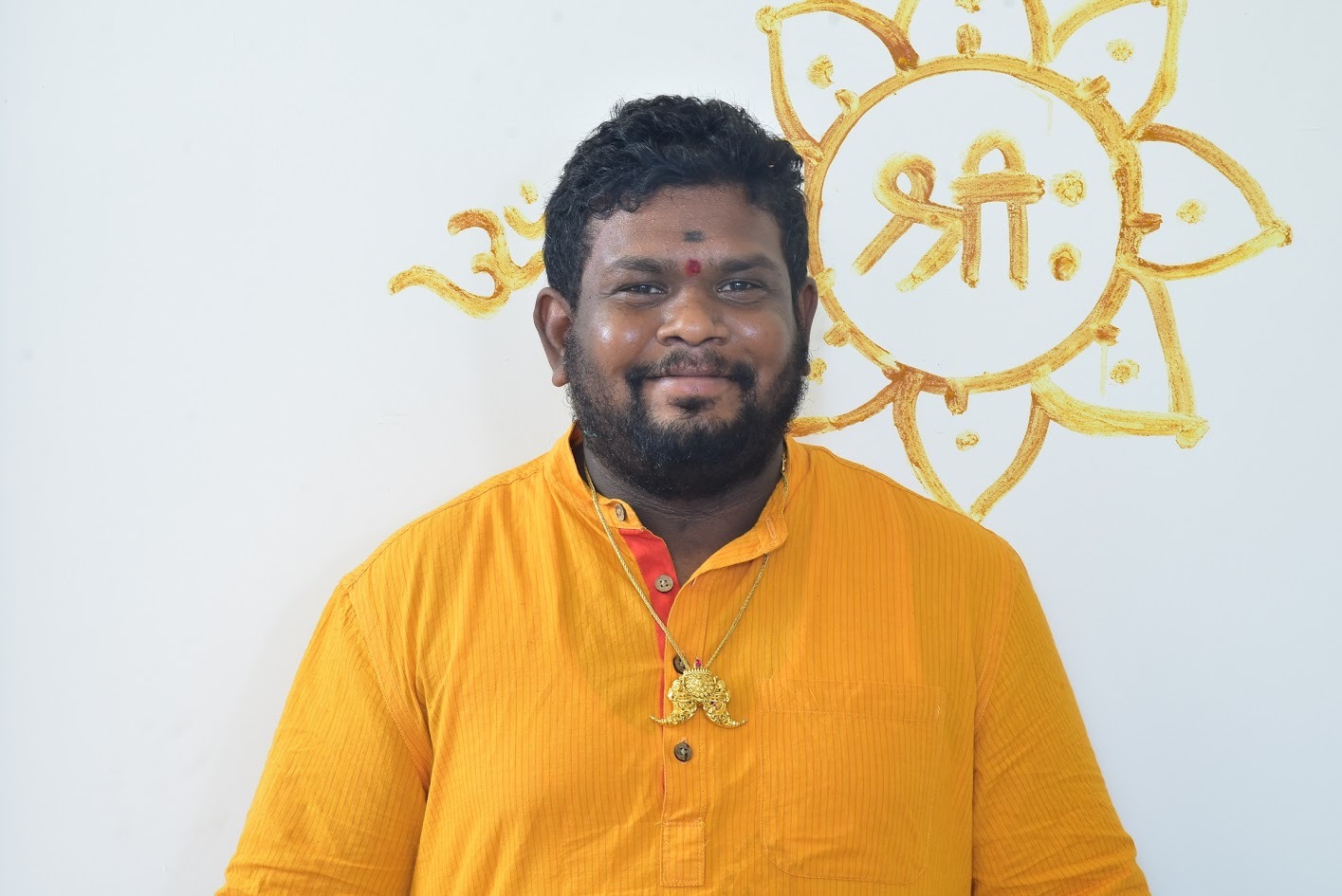
Verified by Raghavendra Hebbur
Certified Geo Master & Leading Scientific Vastu Consultant
Structuring heavy book racks, balancing reading zones, and optimizing research seating energy flows.
Information Density and Cognitive Library Setup
Public and institutional libraries store large physical volumes of paper books. The physical density of bookshelves and storage cabinets creates a dense structural field. In geobiology, placing heavy shelving in the wrong sector can suppress the incoming flow of energy, leading to student restlessness, book mold damage, low visitor counts, and high administration stress.
Scientific Vastu balances libraries by placing heavy book racks and storage cabinets in the South or West (Earth stability). Student reading tables should be in the North or East (cognitive reception). We scan reading zones to align tables, ensuring quiet focus and a peaceful reading atmosphere.
Library Layout Rules
| Functional Zone | Recommended Sector | Potential Defect Impact | Scientific Zero-Demolition Remedy |
|---|---|---|---|
| Heavy Book Racks | South or West | Mold growth, book decay, low visitor counts | Place heavy brass weights under shelves; level racks. |
| Student Reading Desks | North or East (Facing) | Student restlessness, distraction, noisy behavior | Align desks so students face North/East; use white lights. |
| Digital Archive Room | Southeast (Agni) | Server drive crashes, computer faults, data loss | Install copper fire loops; ground server racks. |
| Librarian Office Desk | Southwest (Nairrutya) | Poor administration control, book loss, records disputes | Set desk facing North; place quartz stabilizers. |
Common Library Layout Defects
⚠️ Heavy Book Racks in the Northeast
Symptom: Continuous drop in library visitors, book rot, and high administrative stress.
⚠️ Reading Tables in the Southwest
Symptom: Students cannot concentrate, feel restless, and make noise.
⚠️ Librarian Counter facing West
Symptom: Loss of books, billing errors, and files mix-up.
⚠️ Water cooler in the Southwest
Symptom: Financial drain, building dampness, and structural cracking.
100% Non-Demolition Energy Balancing
We neutralize spatial imbalances through scientific energy redirection, avoiding structural changes entirely:
Bookcase Brass Grounding
Placing heavy brass anchoring sheets under bookcases to balance weight distribution.
Reading Bay Zinc Plates
Installing zinc plates under reading floors to encourage calm, positive energy flow.
Aura Boosters for Study Desks
Installing natural mineral correctors on reading desks to support student concentration.
Frequently Asked Questions
Bookcases and heavy storage shelves should be in the South or West sectors. This provides structural stability and balances physical weight.
Students should face North or East while reading or studying. This alignment supports focus, logical thinking, and memory.
Yes. We use metal wire boundary loops, element color tapes, and geopathic resonators to balance energy fields and support focus without structural changes.
Yes, scientific Vastu focuses on energy balancing and element alignment. By using specific metals (like brass, copper, lead), colors, and geopathic stress resonators, we can neutralize defects and balance energy vectors without breaking walls or structural demolition.
Most clients observe positive shifts in spatial energy and physical wellbeing within 21 to 90 days after implementing the recommended remedies. This timeline allows the corrected energy patterns to stabilize and integrate with the occupants’ biofields.
Experiencing Poor Reader Focus or High Book Damage?
Schedule a professional geobiological layout audit of your public or school library today.
Academic & Historical References
For deeper scientific and historical context on Vastu Shastra principles, physical energy fields, and architecture, explore the Vastu Shastra scientific overview on Wikipedia and historical building codes outlined in the Samarangana Sutradhara on Wikipedia.
VIDS™ Assessment: Libraries
Raghavendra Hebbur of Vardhini Vastu applies the VIDS™ (Vardhini Integrated Directional System) 16-zone directional methodology to every consultation, including assessments related to libraries. The VIDS™ system identifies the exact zone (1 of 16 primary zones, further divided into 64 sub-zones called padas) in which each element of your property falls, and prescribes corrections specific to that sub-zone’s elemental signature and governing deity. This degree-accurate approach produces specific, targeted corrections rather than generic Vastu advice.
The methodology is grounded in classical Sanskrit texts including the Aparajitaprṣchā — a 12th-century treatise on architecture that Raghavendra Hebbur is currently translating — and incorporates Lecher antenna geopathic stress assessment for on-site consultations. All corrections are zero-demolition: no walls are broken, no structural changes are made. Results are typically observable within 21–180 days of consistent implementation.
Book your consultation: WhatsApp / Call +91 9739105574 | Online Vastu Consultation | About VIDS™
Frequently Asked Questions — Libraries
What does a Vastu consultation for libraries involve?
A VIDS™ Vastu assessment for libraries involves a detailed directional survey of the property using a 16-zone framework (8 padas per direction). Raghavendra Hebbur analyses the floor plan, identifies which zones are active for specific functions (entrance, cash counter, owner position, storage, utilities), and produces a prescription of specific zero-demolition corrections for any defects found. The assessment covers both the macro (plot orientation) and micro (room placement, furniture, light) levels.
Are Vastu corrections for libraries expensive?
No. Because Vardhini Vastu prescribes only zero-demolition corrections — strategic placements of objects, elemental adjustments, and spatial reorganisation — the cost of implementing corrections is minimal. Most corrections can be completed in a single weekend without professional labour. The consultation fee covers the assessment, annotated report, and one follow-up session to confirm implementation.
Can Vastu be applied if the property is already occupied or operational?
Yes. The majority of Vardhini Vastu consultations are for properties that are already occupied, operational, or even recently renovated. The zero-demolition approach means corrections can be made at any stage without disrupting the residents or business operations. A follow-up assessment 90 days after implementation is included to verify that the corrections have been properly executed.