Last updated: · By Raghavendra Hebbur
Vastu for Temples & Prayer Halls: Stellar Spiritual Resonance
Design highly resonant temples and meditation halls to capture maximum cosmic energy using scientific geobiological layouts.
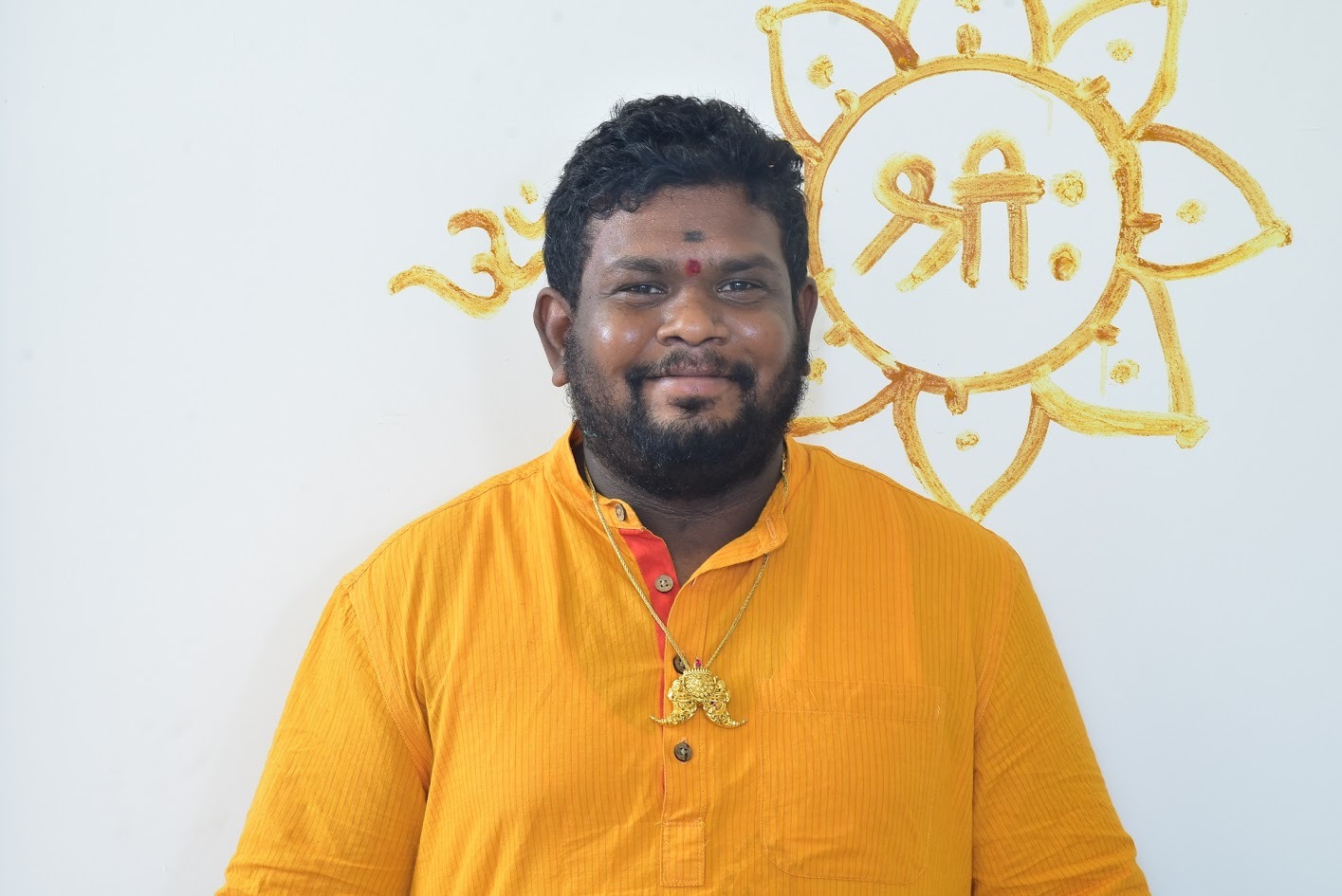
Verified by Raghavendra Hebbur
Certified Geo Master & Leading Scientific Vastu Consultant
Helping temple and ashram developers balance sanctum placements, dome orientations, and entrance portals using non-demolition methods.
The Geobiology of Highly Resonant Temples
Temples, prayer halls, and spiritual ashrams are sacred spaces designed to capture and amplify cosmic energy (Bovis values above 100,000). These spaces handle high levels of devotion energy, sound vibration (chanting), and cosmic electromagnetic forces. If these elements and structures are not balanced, it can lead to low spiritual resonance, building maintenance issues, and management conflicts.
Scientific Vastu balances these large spiritual complexes by aligning the Garbhagriha (sanctum sanctorum), dome structures, and entrance portals. Placing the Garbhagriha in the Brahmasthan (center) or West supports a positive, resonant energy flow, while dome structures should be designed to capture electromagnetic stellar energy.
Temple Layout & Sanctum Placement Rules
| Functional Zone | Recommended Sector | Vastu Defect Impact | Scientific Zero-Demolition Remedy |
|---|---|---|---|
| Garbhagriha (Sanctum Sanctorum) | Brahmasthan or West | Low spiritual resonance, building damage | Install copper/brass boundary wiring; place quartz. |
| Main Temple Dome (Shikhara) | Above Sanctum | Poor cosmic energy capture, dome cracks | Align shikhara with precise degrees; use copper correctors. |
| Prayer & Meditation Hall | Northeast (Ishanya) | Restlessness, lack of mental peace | Clear zone; place a water feature or quartz crystals. |
| Prasad Kitchen & Catering | Southeast (Agni/Fire) | Food delays, taste issues, fire hazards | Balance stoves with green stone slabs; place copper. |
Common Temple Spatial Energy Defects
⚠️ Garbhagriha in the Southeast Corner
Symptom: Low spiritual energy, frequent fire hazards, and high administrative disputes.
⚠️ Prasad Kitchen in the Northeast Corner
Symptom: Food wastage, kitchen plumbing issues, and water contamination.
⚠️ Sloping Floor Towards Southwest Corner
Symptom: High maintenance costs, rising temple debts, and low booking retention rates.
⚠️ Main Entrance in South-West Sector
Symptom: Loss of premium customer base, cash flow issues, and security concerns.
100% Non-Demolition Energy Balancing
We neutralize spatial imbalances through scientific energy redirection, avoiding structural changes entirely:
Sanctum Copper Loops
Installing thin copper wires under the sanctum floor to prevent geopathic stress and support spiritual resonance.
Dome Copper Correctors
Placing copper plates and rods around the dome to balance cosmic energy and prevent hazards.
Acoustic Grounding Arrays
Using mineral-based wall treatments to absorb loud music vibrations and keep energy levels balanced.
Frequently Asked Questions
The Garbhagriha (sanctum sanctorum) should ideally be located in the Brahmasthan (center) or the West sector. These locations support spiritual resonance and cosmic energy flow.
The main dome (Shikhara) should be built directly above the Garbhagriha. This shape helps capture and focus cosmic energy into the sanctum.
Yes. We use metal wire loops, element color tapes, and geopathic stress resonators to balance the space and support spiritual resonance without requiring any demolition.
Yes, scientific Vastu focuses on energy balancing and element alignment. By using specific metals (like brass, copper, lead), colors, and geopathic stress resonators, we can neutralize defects and balance energy vectors without breaking walls or structural demolition.
Most clients observe positive shifts in spatial energy and physical wellbeing within 21 to 90 days after implementing the recommended remedies. This timeline allows the corrected energy patterns to stabilize and integrate with the occupants’ biofields.
Want to Design a Highly Resonant Temple or Ashrams?
Get a professional geobiological layout audit of your temple or prayer hall layout.
Academic & Historical References
For deeper scientific and historical context on Vastu Shastra principles, physical energy fields, and architecture, explore the Vastu Shastra scientific overview on Wikipedia and historical building codes outlined in the Samarangana Sutradhara on Wikipedia.
VIDS™ Assessment: Temples
Raghavendra Hebbur of Vardhini Vastu applies the VIDS™ (Vardhini Integrated Directional System) 16-zone directional methodology to every consultation, including assessments related to temples. The VIDS™ system identifies the exact zone (1 of 16 primary zones, further divided into 64 sub-zones called padas) in which each element of your property falls, and prescribes corrections specific to that sub-zone’s elemental signature and governing deity. This degree-accurate approach produces specific, targeted corrections rather than generic Vastu advice.
The methodology is grounded in classical Sanskrit texts including the Aparajitaprṣchā — a 12th-century treatise on architecture that Raghavendra Hebbur is currently translating — and incorporates Lecher antenna geopathic stress assessment for on-site consultations. All corrections are zero-demolition: no walls are broken, no structural changes are made. Results are typically observable within 21–180 days of consistent implementation.
Book your consultation: WhatsApp / Call +91 9739105574 | Online Vastu Consultation | About VIDS™
Frequently Asked Questions — Temples
What does a Vastu consultation for temples involve?
A VIDS™ Vastu assessment for temples involves a detailed directional survey of the property using a 16-zone framework (8 padas per direction). Raghavendra Hebbur analyses the floor plan, identifies which zones are active for specific functions (entrance, cash counter, owner position, storage, utilities), and produces a prescription of specific zero-demolition corrections for any defects found. The assessment covers both the macro (plot orientation) and micro (room placement, furniture, light) levels.
Are Vastu corrections for temples expensive?
No. Because Vardhini Vastu prescribes only zero-demolition corrections — strategic placements of objects, elemental adjustments, and spatial reorganisation — the cost of implementing corrections is minimal. Most corrections can be completed in a single weekend without professional labour. The consultation fee covers the assessment, annotated report, and one follow-up session to confirm implementation.
Can Vastu be applied if the property is already occupied or operational?
Yes. The majority of Vardhini Vastu consultations are for properties that are already occupied, operational, or even recently renovated. The zero-demolition approach means corrections can be made at any stage without disrupting the residents or business operations. A follow-up assessment 90 days after implementation is included to verify that the corrections have been properly executed.